
Whoa, this feels familiar! I installed a Solana wallet extension last week to test it. It was fast and slick, but I immediately had questions. Initially I thought the Chrome Web Store would be enough, but then local phishing copies made me pause and do a deeper verification before trusting anything… On one hand convenience is huge for on-ramping to Solana apps, though actually on the other hand the extension surface introduces attack vectors that need thoughtful mitigation and good habits.
Seriously, I felt uneasy. My instinct said check publisher and reviews before entering seed phrases. Something felt off about a couple of identical logos and odd domain names. Actually, wait—let me rephrase that: I wasn’t paranoid, I was cautious, and that small pause saved me from clicking a malicious installer that mimicked the official client. So I dug into how Phantom and similar Solana wallets verify their builds, how the extension permissions behave, and what the wallet adapter ecosystem expects from a browser extension in terms of security and API surface.
Hmm, quick primer. Phantom is a browser extension and mobile wallet that talks to Solana dApps. It acts like a keyring, handling your public addresses and signing transactions on demand. For most users Phantom gives a smooth UX compared with older options like Sollet or a raw sol-wallet integration, yet that UX relies on trusting the extension code and the distribution channel used to acquire it. So when you hear people say use a reputable wallet, they mean check who published the extension, read recent reviews, compare the domain to the official project site, and make sure you don’t have copycats installed by mistake—which actually happens more often than you’d like to believe.
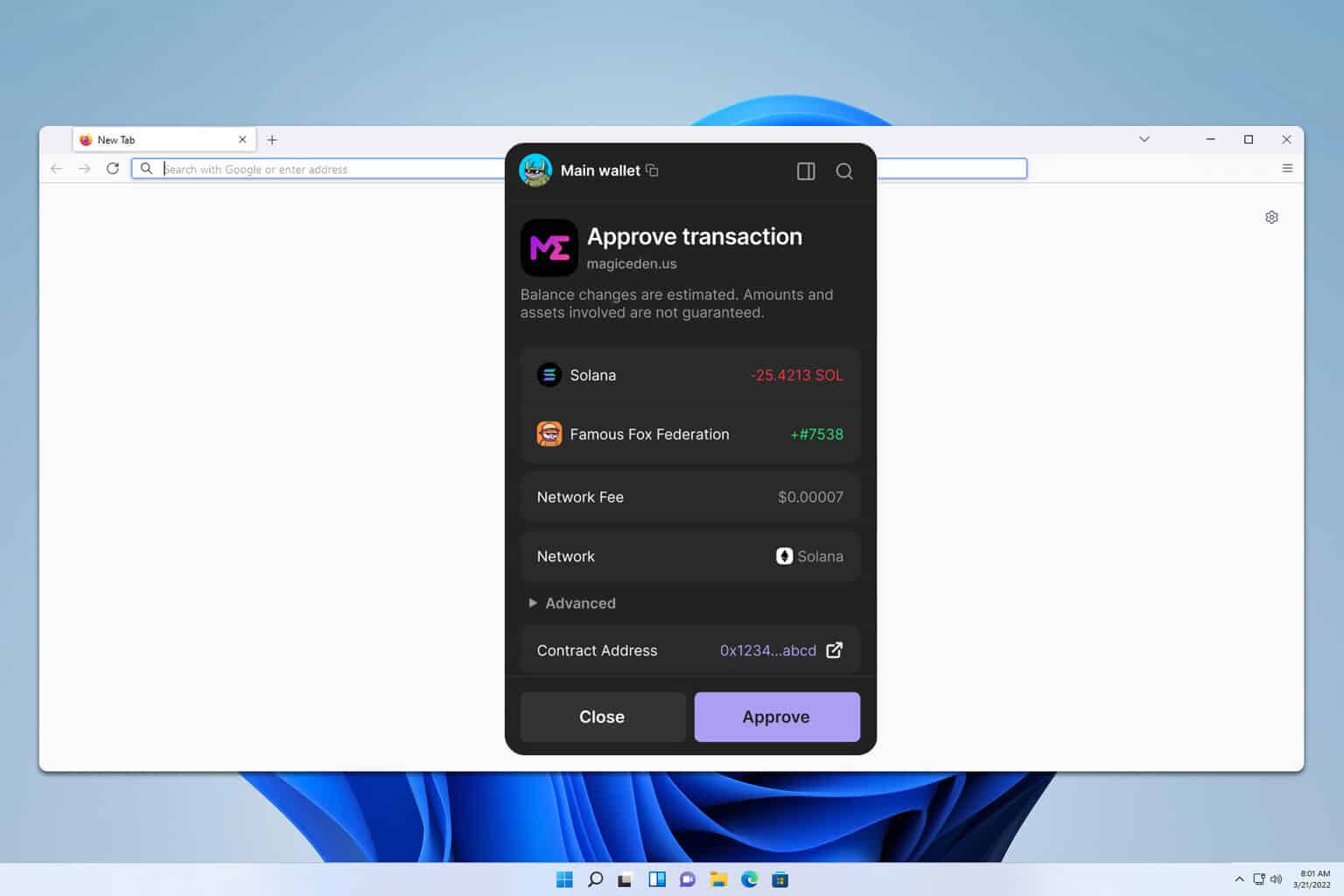
How to get the real extension (and avoid fakes)
Heads up though. If you want to add Phantom to your browser, follow the official prompts carefully. Secure workflow: set a strong password and write your recovery phrase offline. For the direct installer step, I recommend the team’s landing page where you’ll find clear store badges and instructions to avoid copycats, for example you can visit phantom wallet download extension to get the authentic extension instead of guessing or clicking random search results. And if anything seems off — mismatched icons, weird permission prompts, strange review patterns — abort and go back to the official site, or ask in the project’s verified Discord or Twitter for confirmation (oh, and by the way, don’t DM anyone your seed, ever).
Here’s the thing. Only download from official sources like the Phantom website or their store page. If the store lists Phantom Labs as publisher, that’s a good sign; still check permissions. Also inspect extension permissions carefully—if an add-on requests broad access to all sites or to clipboard data think twice, because a real wallet doesn’t need excessive global access to do its signing work. And yes, double-check the URL used to download; a tiny, visually similar domain can be a scam site that pushes a malicious extension masquerading as the legit installer, so take the extra minute to confirm, somethin’ worth the time.
I’m biased, but careful wins. For day-to-day use Phantom handles Solana NFTs and staking flows well enough. If you want extra safety, pair Phantom with a hardware wallet or separate profile. Initially I thought browser extensions were inherently risky and to some extent they are, but when used with discipline, vetted sources, and hardware-backed signing they provide a pragmatic, very very usable balance between convenience and security that most people will appreciate. So go in informed, treat your seed like cash in a safe, and you’ll be able to enjoy the speed and low fees of Solana without unnecessarily exposing yourself to common extension scams or careless mistakes.
FAQ
Is it safe to store large amounts in a browser extension?
Short answer: probably not as safe as cold storage. Use a hardware wallet for large holdings, or split funds between hot and cold storage; my instinct says hot wallets are for daily use and small balances.
What if I clicked a malicious extension?
Immediately remove the extension, move any remaining funds you control to a new wallet whose private keys you generated on a clean device, and consider revoking compromised approvals via Solana explorers or dApp settings; also change passwords and watch for unusual activity.